A Complete Guide to Broken Concrete Removal and Recycling
Whether you are tearing out an old, cracked driveway, removing a patio to make room for a new deck, or wrapping up a landscaping renovation, you are likely left with a massive pile of broken concrete. Demolition is often the fun part, but dealing with the heavy rubble and concrete debris haul away is where many homeowners and contractors hit a wall. Here in Tulsa, we see plenty of properties undergoing beautiful transformations, but the leftover debris can bring progress to a screeching halt.
Figuring out how to dispose of broken concrete safely and legally is more complicated than tossing regular household trash. Concrete is incredibly dense, difficult to transport, and not accepted by standard municipal trash collections. In this guide, we will walk you through the challenges of concrete disposal, the environmental benefits of recycling it, and the best options for clearing out your site so you can move forward with your project.
The Heavy Truth About Concrete Disposal
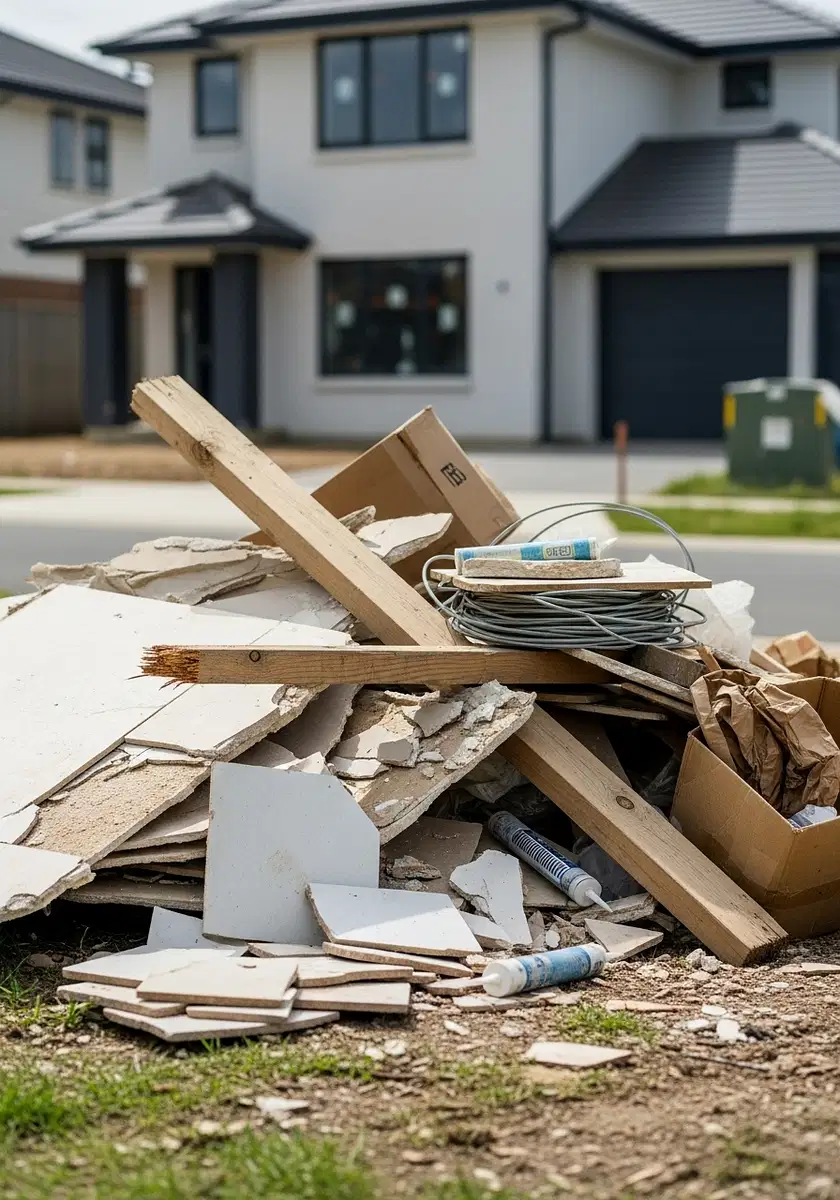
The most significant hurdle when dealing with concrete is its sheer weight. A single cubic yard of solid concrete can weigh over 4,000 pounds. Even broken into smaller, manageable chunks, a modest pile of rubble can easily overload a standard pickup truck, risking severe suspension damage or blown tires.
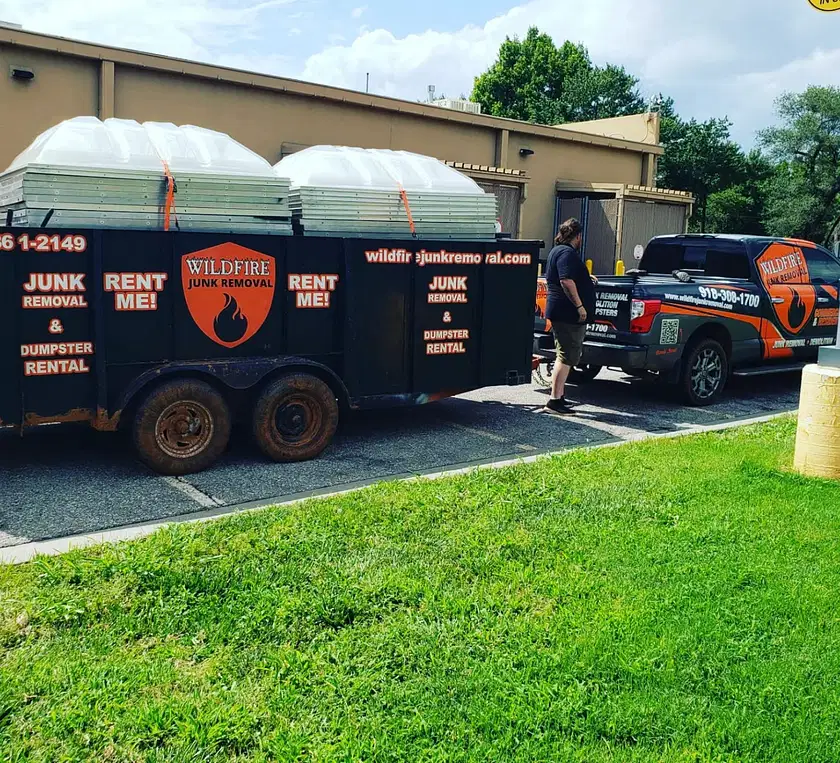
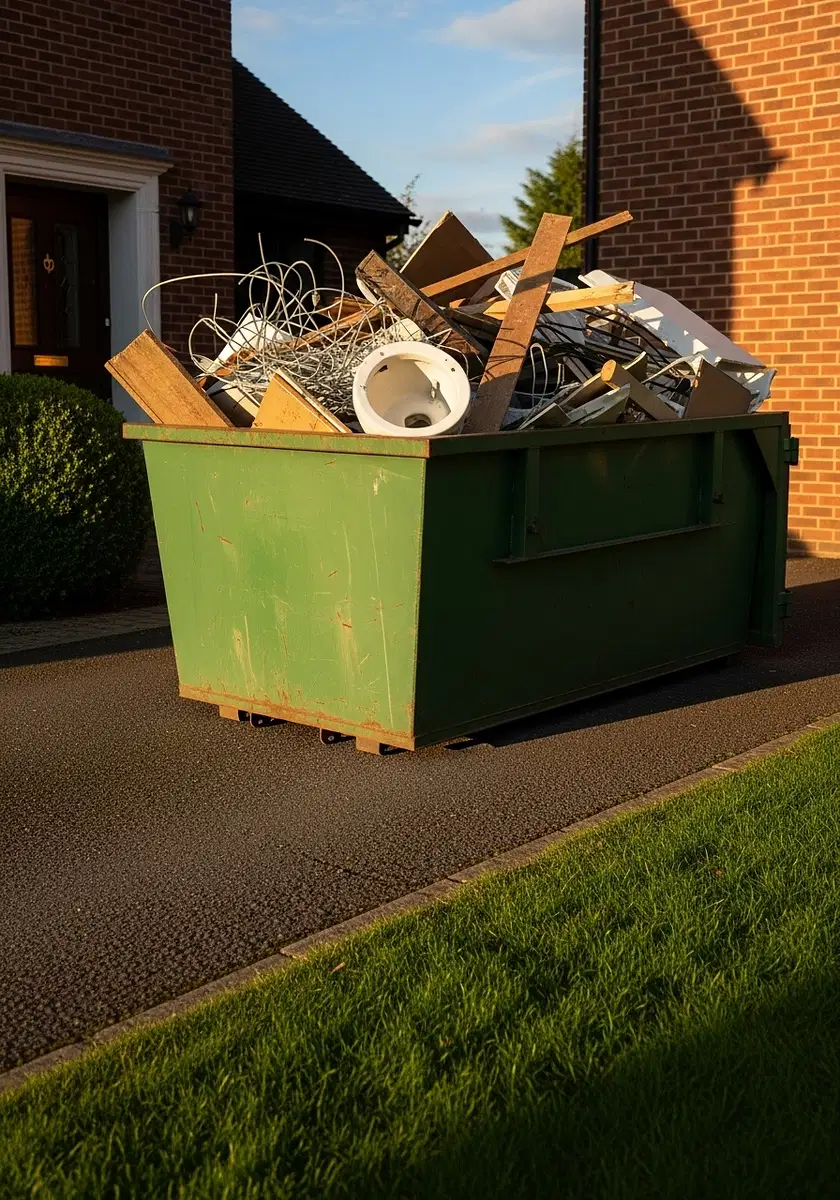
Many people wonder if it is cheaper to hire a junk removal service or rent a dumpster for heavy materials. While we do offer dumpster rentals for various projects, concrete changes the equation. Standard roll-off dumpsters have strict weight limits. If you fill a dumpster to the brim with broken concrete, you will almost certainly exceed that limit, resulting in hefty overage fees or the rental company refusing to transport the bin.
Furthermore, DIY removal means you are responsible for the grueling physical labor. Hauling heavy slabs of concrete by hand is a quick way to strain your back or cause a serious injury. When you factor in the physical toll, the potential damage to your personal vehicle, and the time spent driving to specialized disposal facilities, professional construction debris removal often becomes the most cost-effective and stress-free solution. You don't even need to move the junk to the curb; a full-service team handles the heavy lifting right from where the rubble sits.
Broken Concrete Recycling and Disposal Options
One of the most common questions we hear is: what happens to my items after they are picked up? When it comes to concrete, the answer is actually quite positive for the environment.
A growing priority in our industry is sustainability and eco-friendly disposal practices. Instead of dumping concrete into a local landfill where it takes up massive amounts of space and serves no purpose, clean broken concrete can be recycled.
When concrete is taken to a specialized recycling facility, it is fed through industrial crushers. Powerful magnets remove any rebar or wire mesh, which is then sent off for scrap metal recycling. The remaining crushed concrete is sorted by size and repurposed as aggregate. This recycled material is frequently used as a stable base layer for new roads, driveways, and retaining walls. By choosing a disposal method that prioritizes recycling, you are actively participating in a circular economy, reducing the need for new gravel mining, and keeping bulky waste out of our local landfills.
How Pricing Works for Heavy Materials
Transparent pricing is essential when planning any renovation. Because junk removal pricing is usually calculated by the volume of space your items take up in the truck, concrete requires a slightly different approach. Due to safety regulations and the weight capacity of our trucks, we cannot fill a truck completely to the top with concrete.
Instead, heavy materials like dirt, roofing shingles, and broken concrete are typically priced by bedload—meaning the material is spread evenly across the floor of the truck up to a safe depth (usually about one foot). This ensures our vehicles can transport the debris safely on the road while giving you a clear, upfront estimate based on the size of the load rather than surprise weight tickets later.
Let the Professionals Handle the Heavy Lifting
Managing a renovation or cleanup project is stressful enough without having to figure out the logistics of heavy rubble removal. Our crew comes fully equipped with the right tools, heavy-duty trucks, and the physical training to remove your concrete safely and efficiently. We take pride in leaving your space swept clean and ready for whatever comes next.
If you live in the 918 and are fixin' to clear out that old patio or walkway, Wildfire Junk Removal is here to help. We provide prompt, reliable service and prioritize eco-friendly recycling whenever possible. Learn more about our specialized concrete removal services or contact us today for a transparent, no-obligation estimate. Let us handle the heavy lifting so you can enjoy your newly reclaimed space.