A Complete Guide to Commercial Warehouse Cleanouts and Decluttering
Managing a commercial facility is no small feat, and over time, almost every industrial space falls victim to accumulation. Outdated inventory, broken equipment, empty pallets, and discarded packaging can slowly eat away at your usable square footage. For operations managers in Tulsa, this slow buildup isn't just an eyesore; it directly impacts daily logistics, slows down forklift routes, and can even create safety hazards for your workforce.
Whether you are preparing for a seasonal inventory shift, renovating your space, or simply taking back control of your floor plan, understanding how to plan a warehouse cleanout is essential. A well-organized decluttering project can streamline your daily operations, boost employee morale, and ultimately improve your bottom line by maximizing the space you pay for.
However, tackling a massive commercial property cleanout and junk removal project requires more than just a few spare hands and a dumpster. It demands a strategic approach to minimize downtime, ensure regulatory compliance, and handle logistics without pulling your core team away from their actual jobs. In this guide, we will walk you through the essential steps of reclaiming your facility, from initial planning to responsible disposal.
Developing a Strategy for Your Facility
The most common mistake facility managers make is treating a large-scale cleanout as an ad-hoc project. Inefficient job scheduling and a lack of clear logistics often lead to wasted time, prolonged disruptions to your daily workflow, and missed operational windows. To avoid these operational and logistical headaches, start by auditing your space.
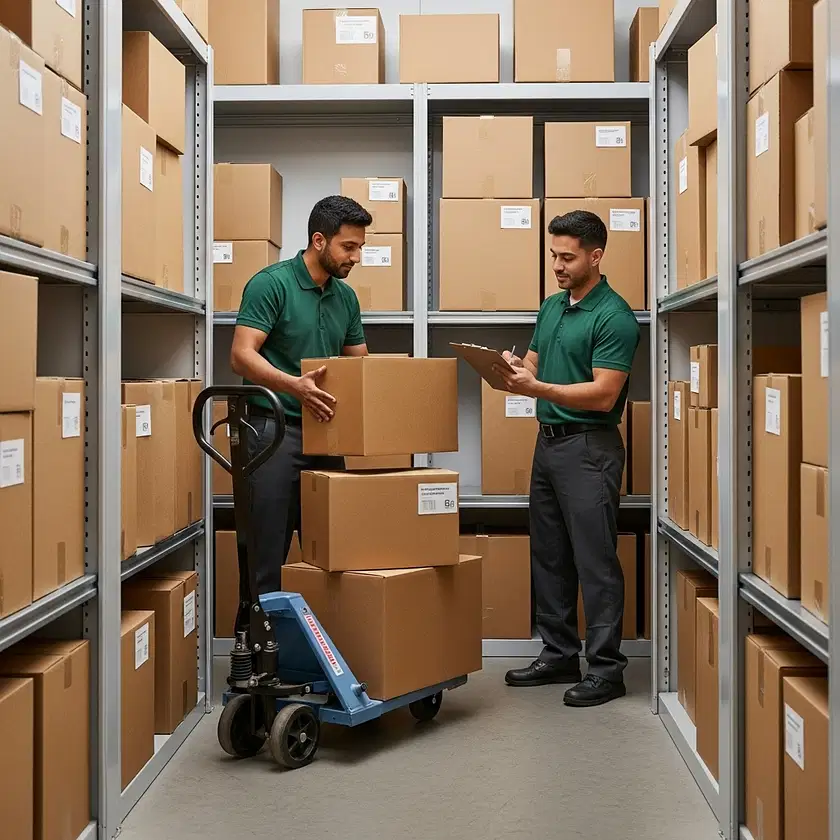
Walk through your facility and categorize the clutter into three main groups: items to keep and reorganize, items to donate or sell, and items destined for disposal. Having a clear inventory of what needs to go helps set accurate expectations. Inaccurate job size estimation is a frequent pain point for businesses attempting DIY cleanouts, often leading to unexpected disposal fees and blown budgets. By quantifying the volume of materials early on, you can make informed decisions about the most cost-effective path forward.
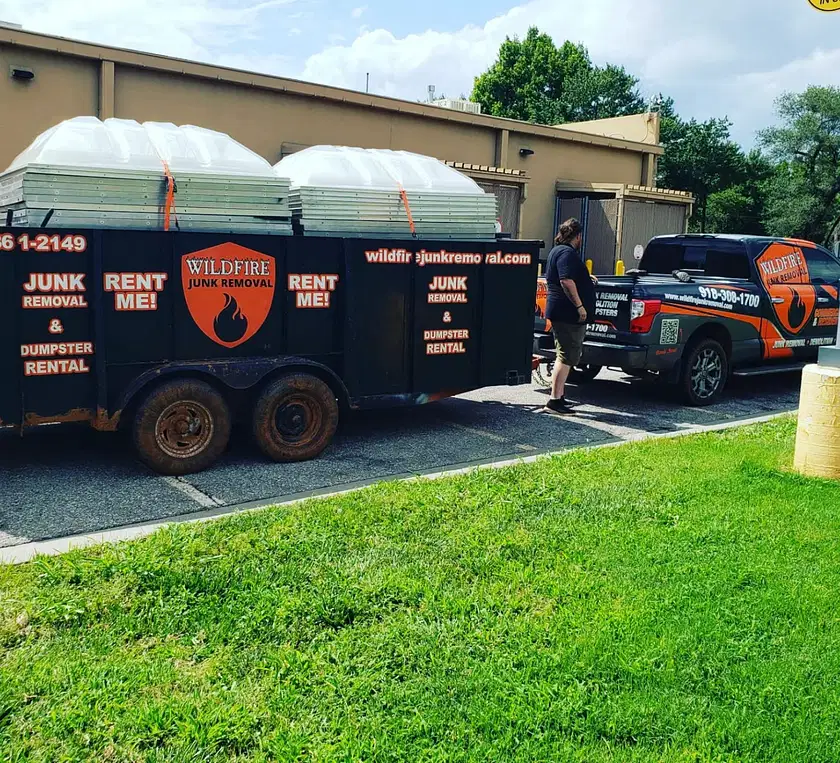
Many business owners wonder if it is more practical to handle the job internally by renting a dumpster or bringing in professionals. While renting a container might seem straightforward, it leaves your staff responsible for the heavy lifting. The physical demands of hauling bulky commercial debris can lead to injuries, and pulling your team away from their primary duties disrupts your business output. Opting for professional warehouse cleanouts ensures that the heavy lifting, loading, and hauling are handled safely and efficiently by trained experts, allowing your workforce to stay focused on running your business.
Handling Specialized Materials and Compliance
Commercial environments frequently house items that cannot simply be tossed into a standard landfill. From outdated office computers and broken monitors to specialized industrial machinery, knowing what items junk removal companies are not allowed to take is a critical part of the planning process. Hazardous materials like chemicals, wet paint, and certain industrial solvents require specialized waste management services. However, for most office and industrial hardware, a professional removal team can step in and handle the logistics.
One of the most complex aspects of modern facility management is safe commercial electronic waste disposal. Strict local regulations and environmental mandates mean that improper disposal of e-waste can result in hefty fines and liability issues. Furthermore, businesses today are increasingly committed to sustainability and social responsibility. You likely want to know what happens to your items after they are picked up.
When you utilize dedicated electronic waste disposal services, your outdated technology is processed responsibly. Usable components are often diverted from landfills and recycled in accordance with local eco-friendly practices. This commitment to the circular economy not only keeps you compliant with environmental regulations but also aligns your company with sustainable business practices that modern consumers and partners respect.

Navigating Pricing and Partnering with Professionals
When planning a major facility overhaul, understanding the financial aspect is paramount. You might be asking how much junk removal costs on average or how pricing is calculated. Reputable professional services calculate pricing based on volume—meaning you only pay for the amount of space your items take up in the truck, rather than a flat fee that might overcharge you for a smaller load. This transparent pricing model eliminates the guesswork and helps prevent the profit erosion that happens when operational costs are underestimated.
Another common question is whether you need to move the junk to the loading dock or curb before the team arrives. The advantage of a premium service is that it includes full-service heavy lifting and loading. You do not need to stage the items; the crew will safely retrieve them from wherever they sit on your property. While it is helpful for a site manager to be present at the start of the appointment to point out what needs to go, you generally do not need to pause your entire day to oversee the process.
Working with a fully licensed and insured team provides peace of mind, protecting your property and your business from liability during the heavy lifting phase. By outsourcing your commercial junk removal, you bypass the logistical hurdles, protect your staff from physically demanding labor, and ensure that all materials are disposed of in an eco-friendly, compliant manner.
Keeping your workspace clear is an investment in your company's efficiency and safety. If you are ready to tackle that warehouse cleanout and reclaim your operational space in Green Country, the team at Wildfire Junk Removal is here to help with prompt, professional service. Feel free to contact us today to discuss your project and get a transparent, volume-based estimate.